
Smart Product Inventory Sourcing Tips for Small Businesses

Inventory sourcing can be challenging for small businesses. It requires plenty of time and patience. Small business owners must persevere though to achieve success. 

Fortunately, there are a variety of ways to source inventory, and not all of them require a big investment. 

What is product inventory sourcing?

Product inventory sourcing may sound like a complex term, but it merely refers to the process businesses use to get the inventory they need. The process can include price checking, quality comparison, fulfillment, and more. As you source inventory, look for value and service, not just the cheapest price. Afterall, the partner you select will be responsible for getting you the inventory you need when you need it. 

Types of product sourcing

There are several types of product sourcing method options, here are just a few.

  • Dropshipping: Dropshipping is an inventory sourcing method used by many ecommerce businesses. It allows businesses to provide inventory to their customers without needing to store it or pay for it upfront. The business simply advertises certain merchandise for sale on their website without stocking it. Once it’s ordered, they alert the wholesaler or manufacturer that is selling the stock. The supplier sends it directly to the customer and the retailer makes a profit.
  • Wholesalers:  Wholesalers sell products in bulk at discount rates. Retailers buy in bulk from wholesalers and then sell products individually with a mark-up to earn a profit. Retailers will typically work with various wholesalers to access a wide range of products and ensure they always have inventory on hand.
  • Manufacturers: Manufacturers are similar to wholesalers in that they sell items in bulk allowing retailers to mark them up and make a profit. However, manufacturers offer an advantage over wholesalers in that they give retailers the option to customize the items they want. The retailer can make special requests to manufacturers including improving the design, adding features, or showcasing the brand. It comes at an added expense, but it may be worth it to get the specialized products that set your brand apart.
  • DIY Products: Many businesses sell artisan products that can be purchased directly from the creator. This creates a smaller supply chain that gives companies more control over the purchasing process. It also means your inventory will be more unique.
  • Clearance Sales: You may come across a company that is selling items at low prices to get rid of their stock for next season. You may be able to buy these products and sell them at your store for full price to make a profit. If you go this route, make sure the items you are buying are not being discounted because they are not selling well. And if they are seasonal, see to it that they will still be in demand the following year.

How small businesses benefit from product sourcing

Small businesses require inventory to keep their companies afloat. Product sourcing ensures they will always have products to sell so they can generate revenue. But, it’s not all about the money. Stocking quality inventory and being able to fulfill orders will improve customer satisfaction too. Product sourcing gives business owners control over what their company is delivering. 

Product sourcing tips for small business

If you’re  just starting out, it may be difficult to determine which manufacturers and wholesalers you should be partnering with. It may also be easy to fall prey to cheap prices, only to be disappointed by quality, fulfillment, and other important variables. Here are some tips that will help you make the right decisions when product sourcing.

  • Do your research:  It’s important to do some research before choosing suppliers. The first step involves looking at the products the suppliers are offering. Are the products high quality? Do they sell well? Customer reviews and social media will provide valuable insight on these matters. You should also look at other companies that are selling the products you are considering stocking. Are they offering discounts on them? This could be a sign that the products are not moving. You must also consider your target audience? Do you feel the products the supplier is selling are suited to your target audience? These factors will help you figure out the demand for the product so you can decide whether they are worth investing in.
  • Perform outreach to suppliers: Next, you will want to contact the supplier directly to learn more about their company.  Here are some questions to consider asking them:
    • How fast can you ship out products?
    • Will I be assigned a private rep for my account?
    • What is your return policy like?
    • Can I sell back items if they don’t sell?
    • Which products sell the best?

The answers they provide will be a good indication of whether they are a company you would like to work with.

  • Test your supplier:  It’s advisable to ask for a sample product from the supplier. This will give you an idea of what it’s like working with them before you spend a lot of money buying in bulk. Your test should consider two factors: the quality of both the product and service. The product should be durable and well-designed. It should also be an item you think your customer will like. When considering the service, think about things like punctuality in delivery, communication, courtesy, and price point. If you were happy with the product and service, this may be the green light to move forward.
  • Shop around: Shopping around will provide different benefits. For one, it will allow you to determine which supplier is best suited for your business needs. You can count on this company to be your main supplier. You will also find other suppliers which will give you a larger pool to work with. It’s important for companies to have various suppliers in their network so they can access different inventory. It also means they have other suppliers to rely on if their main supplier runs out of stock.
  • Trial run orders:  Ordering a sample will give you some idea of the service you can expect. But a trial run is an even better indication. Find out if the company is willing to provide you with a limited number of the items you want to sell. You may have to pay a higher rate since you are purchasing small quantities, but it will be better than having to spend a lot of money on a product or service you are not happy with.

How partnering with Kickfurther can help

Once you’ve found the suppliers you want to work with, start ramping up sales. With the right partners and efforts, your business will hopefully attract more business than you can keep up with. If you find yourself struggling with cash flow, consider inventory funding. 

Kickfurther is the world’s first online inventory funding platform that enables small businesses to access funds that they are unable to acquire through traditional sources. For companies that sell physical products or non-perishable consumables and have revenue between $150k to $15mm over the last 12 months, Kickfurther can help. We connect brands to a community of backers who help fund inventory on consignment and give brands flexibility to pay that back as they receive cash from sales. 

Kickfurther can help startups and small businesses fund millions of dollars of inventory at costs up to 30% lower cost than the competition. With more than $100 million in inventory funded to date, Kickfurther can help you get funded within a day or even minutes to hours. 

Closing thoughts

Product souring is a must if you’re a product-based business. Maintaining as much control over quality of products and services is critical for success and customer service. As your business grows, you may need to rely on investors and other sources to help grow your business. For affordable inventory funding that allows you to maintain full ownership of your business, turn to Kickfurther. 

Interested in getting funded at Kickfurther? Here are 3 easy steps to get started:

#1. Create a free business account

#2. Complete the online application 

#3. Review a potential deal with one of our account reps & get funded in minutes

How Do Purchase Orders Work?

How do purchase orders work?

Purchase orders generally operate in good faith. They are a form of credit that the buyer and seller partake in outside of traditional banks and financial institutions. Purchase orders are typically for non-retail transactions between two businesses. When a buyer needs a specific product or service from a supplier or a vendor, they will generate a purchase order in their accounting system. A purchase order should contain the following bits of information.

  1. Billing address of the buyer
  2. Delivery address of where the goods need to be delivered
  3. Product or service being purchased
  4. SKUs or model numbers of the specific products
  5. Quantity
  6. Price per unit
  7. Any wholesale discount information that applies to the purchase
  8. Payment terms

Once the purchase order has been generated, it’s then sent to the supplier or vendor via mail or digitally. Once the seller has received the PO, it’s customary for them to reply with an order confirmation that details the following bits of information.

  1. Date that the goods or services should be delivered
  2. Confirmation of quantities that will ship and that are currently in stock
  3. If any backorders will need to be placed, and if so, which products and how many of each
  4. Payment terms

Once the goods or services have been delivered as promised, the buyer then can pay the seller either upon delivery, or if the buyer and seller have a type of business relationship, the seller may offer terms of net 30, 60, or 90 days.

The main idea of the purchase order is to maintain a paper trail between the seller and buyer that confirms a buyer’s intentions. Also, purchase orders help to maintain the accuracy of inventory and finances, ensure faster delivery of goods and services, and are instrumental to each company’s accounting departments. 

Who typically creates the purchase order?

Purchase orders are created by the buyer. If it’s a small to medium-sized company, typically the business owner, operations manager, or financial manager may create purchase orders. In larger companies that make hundreds of large purchases every month, they may have a purchasing department with specialized buyer roles. Part of being a buyer is to negotiate discounts and terms for larger purchases with a seller’s internal sales department. 

Types of purchase orders

There are several different types of purchase orders. Some of the most common types of POs include standard, planned, blanket, and contract purchase orders. Here are each of these types of purchase orders in a little more detail. 

  • Standard PO: A standard purchase order is created when all of the details of the goods and services being purchased are known. A standard purchase order is typically a one-off procurement containing the price, quantity, payment terms, delivery timelines, and location. 
  • Planned PO: A planned purchase order is more of a long-term agreement between a buyer and seller that commits that the buyer intends to procure the goods or services of the seller only from that specific seller. Planned purchase orders contain all of the same information as a standard purchase order, however, they may also specify how often they would like the order to be duplicated.
  • Blanket PO: A blanket purchase order, or blanket purchase agreement, is when the buyer knows the quantities of the goods and services they want to purchase from the seller over a specific period of time, however, they are unsure of when they would like the goods or services to be delivered. Blanket purchase orders are often used by buyers to negotiate discounts and more favorable terms from the seller. 
  • Contract PO: A contract purchase order is an agreement between buyer and seller that confirms specific terms and conditions, however, a contract PO may not indicate which goods or services are to be purchased and when. Instead, once the contract purchase agreement is in place, the buyer can begin to issue standard purchase orders that contain the agreed-upon terms and conditions.

Purchase order vs. invoice – what is the difference?

A purchase order is a document that outlines a buyer’s intentions of making a purchase. It contains the desired products, quantities, delivery location, and billing information of the buyer. The invoice is the bill that the seller sends once the order has been fulfilled. 

How is a purchase order created?

A purchase order can be created through a template or some accounting software may contain a purchase order generation tool. Either way, once a decision has been made that specific quantities of specific goods or services are needed, a purchase order puts that information in writing to notify the seller of the intention. The purchase order can be mailed in paper form or sent electronically through email or through a seller’s order system. 

What is the role of purchase orders in inventory?

A purchase order helps to keep a record of specific products and quantities. For example, when a seller receives a purchase order, they know exactly how many of which products are needed to fulfill the order. When the order is being fulfilled, the fulfillment team can accurately pick the correct number of each product and help maintain the accuracy of stock numbers. If the fulfillment team goes to pick an order and they are short on inventory, then it can be noted in the inventory management system to update the stock to account for the missing items, and potentially an investigation will follow.

For the buyer, a purchase order can help when receiving a product. The receiving department of a company typically checks all shipments against a purchase order to make sure that the correct products and quantities were sent by the supplier. If items are missing, they can then notify the seller and the seller can either ship out the missing items or credit the buyer’s account. When the items are received, the buyer then also can enter the quantities and products into their inventory management system to help ensure stock accuracy on their end.  

How purchase order financing can help your business

If you’re a seller, you may be able to obtain financing from the value of your pending purchase orders. For example, if you are in need of short-term funding, financing companies can pay you in advance for an anticipated amount based on how much you are estimated to receive based on the value of the purchase order. This can give some short-term cash flow to companies that can use the money to help fulfill orders that they may not be able to fulfill on their own. This can help them purchase supplies, hire staff, and take other steps to produce the goods or services that the buyer is requesting. 

In exchange for the upfront funding, the financing company typically takes a certain percentage of the total sale price that can be paid when the buyer pays the invoice for the order. 

Closing thoughts

Ensuring order terms are clear and payments are timely are a critical part of buying and selling inventory. As you ramp up sales, you may find that you need inventory funding. In the event that you do, backers will want to see an organized inventory system and healthy financials. Product based businesses that sell physical products or non-perishable consumables and have revenue between $150k to $15mm over the last 12 months can qualify for inventory funding at Kickfurther

Kickfurther is the world’s first online inventory funding platform that enables small businesses to access funds that they are unable to acquire through traditional sources. We connect brands to a community of backers who help fund inventory on consignment and give brands flexibility to pay that back as they receive cash from sales. 

Kickfurther can help startups and small businesses fund millions of dollars of inventory at costs up to 30% lower cost than the competition. With more than $100 million in inventory funded to date, Kickfurther can help you get funded within a day or even minutes to hours. 

Interested in getting funded at Kickfurther? Here are 3 easy steps to get started:

#1. Create a free business account

#2. Complete the online application 

#3. Review a potential deal with one of our account reps & get funded in minutes

Learn more about purchase order financing.

7 Best Practices for Managing Inventory in Your Pet Store

Inventory is the heart of a pet store. From choosing pet friendly products to pricing competitively to always having enough inventory in stock, managing inventory is a full-time job. Inventory systems are highly encouraged to help eliminate waste, identify trends, and perfect inventory levels. If cash flow is interfering with your ability to stock enough inventory, we’ll help you solve that problem too. 

Best practices for managing inventory in your pet store

Running a successful pet store is more than just having enough dog food and litter boxes in stock at all times, pet stores can have a complex inventory and clientele too. There are a variety of product categories, and within each category, there can be dozens or even hundreds of different brands and products. Additionally, depending on what animals your pet store caters to, you may have hundreds of brands and products for each different type of pet. For example, you can have more than just cat and dog supplies. There are fish, lizards, snakes, reptiles, hamsters, gerbils, guinea pigs, birds, and more. Each pet type requires different types of food, shelter, toys, and supplies. 

Keeping track of your inventory can be an incredibly complex and full-time job. Here are some of the best practices you may want to consider when managing the inventory of your pet store. 

#1. Utilize automation

Even if you only own and operate one store, there are many ways that automation can help you manage your inventory. For example, investing in a quality POS and inventory management system can do wonders to automatically track your inventory and notify you when specific items need to be ordered. You can even use your inventory management system to automatically generate and send purchase orders to vendors for some or all of your top-selling products. 

#2. Have an inventory management process in place

Every business that contains a large amount of inventory needs to have an inventory management system process in place. An inventory management process includes recording, tracking, and managing your inventory. The goal is to maintain a balance between having enough inventory to make sure you can make every sale and not tying up too much of your working capital in stock. 

In order to achieve this, you should designate either yourself or one of your employees to be one hundred percent responsible for your inventory management process. By designating one person to inventory management, you can help to make sure that inventory is given the attention it needs to help your business be successful. You should also have this designated person work in tandem with effective inventory management software. 

Some of the responsibilities of this position may include inventory control, stock review, cycle counting, and working with vendors to use your inventory management system data to identify trends, high-demand items, and seasonality, and to help forecast future purchases. 

#3. Share data with your suppliers

By using a high-quality inventory management system, you can easily share your sales data with your suppliers. This type of data is mutually beneficial for both your business and the business of your suppliers. Suppliers can use this data to see which products are working and which are not and help you make future purchasing decisions that can help reduce waste while increasing sales and revenue. 

Your suppliers may also be aware of the latest products and technologies available that you may not have time to research. They then can help you update your inventory to ensure you have the latest offerings available. Suppliers also may have access to what other pet stores are purchasing in your region that tends to be selling well for them. The goal of your supplier is to help increase your business so they can increase yours. 

#4. Target a returning customer base (create loyalty)

The unique thing about pet store customers is that if you can build a relationship with a pet owner early on, they are more likely to stay loyal to you and your store over the life cycle of their pets. For example, when a customer comes in for the first time, they could have just gotten a puppy or kitten and need specific products for the early stages of their animals’ lives. Take the opportunity to build  trust early by having the products they need in stock and competitively priced, and they will likely return for every purchase they need throughout the animal’s entire life. Also, if you do not have an item they want, promise you will start stocking it and do it. Returning customers are the bread and butter of a successful pet store. Customers often choose a small pet store over a large retailer because they appreciate hand-selected products and pet lovers that greet them upon arrival. To compete with major retailers though you may need to offer easy shopping methods such as online ordering or curbside pickup. You can also stock specialty items that your Walmarts, Targets, and other big box retailers are not going to carry. This could be everything from organic treats to CBD products. 

#5. Purchase stock wholesale

This should be economics 101, however, as a pet store owner, you need to work with your suppliers to make purchases that qualify for wholesale pricing. Whether that is making minimum quantity purchases or ensuring you have a minimum number of orders over a period of time, do whatever you can to maintain that relationship with your suppliers that gives you access to the best wholesale prices. Again, it’s a balancing act. You can easily do this with the items that fly off your shelves, however, be careful with other items that may not sell as well. Having inventory that sits on the sales floor or in the stock room for long periods of time can put some serious limitations on your cash flow. 

#6. Invest in a POS system

The main benefit of investing in a POS system is that you can update your inventory in real-time as well as digitize inventory counts to be automatically entered into inventory management systems. You may be surprised to learn that there are still some pet store owners using paper inventory management systems that can often become inaccurate and inefficient. 

#7. Have a system for liquidating obsolete inventory

If you have your own pet store and you struggle to find ways to get rid of the old inventory to make way for new, there are several tactics that other pet store owners have used in the past to some degree of success. Here are some of the quickest ways to work toward liquidating older inventory.

  1. Remerchandising and remarketing: Sometimes products can be lacking sales simply because of their placement in the store or how they appear on the shelves. Experiment with moving things around, creating additional signage, or building special displays. 
  2. Sales promotions and/or events: Inventory liquidation sales are quite common in retail. Offer special sales on select items or create sales events with massive discounts. 
  3. Bundle items: Try bundling items together with buy-one-get-one deals or creating special baskets or bundles with additional discounts. 
  4. Incentive-based giveaways: Encourage customers to spend a minimum amount of money in the store to earn free items or pet care. For example, spend $100 and receive a free grooming session for your pet. 
  5. Supplier exchange programs: Speak with your suppliers to see if they have any programs in place to help with inventory liquidation. They may also be willing to swap out older products for new products in some type of exchange program. 
  6. Donate for tax benefits: Anything you cannot sell, you could also consider donating to pet rescues, animal humane societies, and other organizations that help animals. Not only will your extra inventory go to a good cause, but you can also receive some tax incentives as well. 

How inventory financing can help your pet store business

Inventory financing is a powerful tool that many pet stores use to help maintain their inventory levels and pay for large purchases without restricting their cash flow. Inventory financing is especially helpful for pet stores that may just be starting out and need to make their initial purchases before their grand opening. The problem is that traditional methods of inventory financing are known for being expensive and hard to qualify for. An entrepreneur just like you once faced the very same problems with inventory financing. As an entrepreneur he set out to solve a major problem and Kickfurther was born.

Kickfurther is the world’s first online inventory funding platform that enables small businesses to access funds that they are unable to acquire through traditional sources. For companies that sell physical products or non-perishable consumables and have revenue between $150k to $15mm over the last 12 months, Kickfurther can help. We connect brands to a community of backers who help fund inventory on consignment and give brands flexibility to pay that back as they receive cash from sales. 

Kickfurther can help startups and small businesses fund millions of dollars of inventory at costs up to 30% lower cost than the competition. With more than $100 million in inventory funded to date, Kickfurther can help you get funded within a day or even minutes to hours. 

Closing thoughts

Running a successful pet store involves a major commitment and seamless execution. Paying attention to the small details can make all the difference. As you encounter small or large problems, always commit to finding a solution. 

Interested in getting funded at Kickfurther? Here are 3 easy steps to get started:

#1. Create a free business account

#2. Complete the online application 

#3. Review a potential deal with one of our account reps & get funded in minutes

Learn more about pet store inventory financing solutions.

Effectively Manage Your Retail Inventory: 10 Tips to Consider

If you own a retail store, it’s essential to stay on top of your retail inventory. From eliminating waste to stocking enough of the right products, inventory management can increase revenues. It can also improve customer satisfaction. 

What is retail inventory management?

Retail inventory management is the process of taking inventory to ensure you have just the right amount of stock.

An accurate inventory management system will help you determine what’s selling, what’s not, and what you need more of.

Types of retail inventory management methods

Retailers should understand inventory management. From choosing software and POS systems to creating fulfillment and storage systems, a basic understanding of the types of inventory management methods is critical. Some of the most common inventory management methods for retailers include:

  • First in, first out (FIFO)
  • Last in, first out (LIFO
  • Just-in-time (JIT)
  • Economic order quantity (EOQ)
  • ABC analysis
  • Fast, slow and non-moving analysis (FSN)

Benefits of retail inventory management

Retail inventory management offers a variety of benefits including the following.

  • Boost customer satisfaction: Have you ever wanted to order an item only to find it was unavailable or on back order? Or worse, you placed your order only for it to be canceled? When this occurs you may feel dissatisfied with the seller. As a result, you’ll find another product to fulfill your needs. The need to order elsewhere may turn out to be a positive for the consumer, but a negative for the business that lost the sale. Businesses can avoid something like this happening by keeping on top of inventory and ensuring popular items are in stock.
  • Improve finances: Managing inventory efficiently helps you determine what items are selling well and which are not. This allows you to keep ordering the items that are selling and minimizes the chances of you investing in items that aren’t doing so well. In doing so, you can improve your ROI.
  • Minimize shrinkage: Shrinkage refers to the items that are lost due to error, employee theft, shoplifting, and damage. Taking inventory allows you to identify sources of shrinkage so you can prevent it from happening. It also helps you account for shrinkage financially so you can get a better handle on it.

Tips to manage retail inventory

Here are some tips that will help you manage your retail inventory more efficiently.

  • Ensure you have accurate inventory stock levels: It’s essential to have an accurate system in place for monitoring inventory. It’s also important to monitor it regularly to ensure you are up to date.
  • Know your inventory store metrics: Your inventory store metrics include your stock, your profits, your cash flow, your turnover, discounts, loss, supply, and demand. You can manage metrics in real time using a POS system.
  • Outline purchasing & receiving procedures:  Once you determine which items are making money, you can begin outlining your purchasing and receiving procedures. Creating purchase order forms and keeping track of them will help. You can compare your POs against the items you receive to ensure you got the correct items and quantities.
  • Optimize forecasting  models: Your inventory will give you a good idea of what purchases you need to make. For example, you know you will want to stock up on popular items, especially during busy times of the year. But keep in mind that the item’s popularity won’t last forever. You will need to stay on top of your inventory to forecast accurately.
  • Utilize data analytics: Your data analytics will give you a complete picture of your past sales history. You can use it to make predictions on future purchases. Certain types of software will even run reports to predict future demand based on past data. 
  • Implement supplier contingency plans:  A supplier contingency plan outlines what to do if you are understocked or overstocked on an item. For example, if you are understocked on an item and cannot get any more from your supplier, you may consider going to another supplier or ordering a similar item instead. If you are overstocked, you may think about running a sale.
  • Understand store vs. eCommerce inventory:  If you run both a brick-and-mortar store and an eCommerce business, it’s important to maintain stock and inventory for each separately. Of course, there may be times when you will need to borrow from your brick-and-mortar stock to feed an eCommerce order and vice versa, but this type of activity must be accounted for.
  • Determine a dead stock procedure: Dead stock is inventory that isn’t selling. You may try to move it by packaging it with another item or discounting it. You may also consider returning it to the supplier. Inventory management systems can help you identify dead stock so that you can work on moving it sooner rather than later.
  • Create a method for markdowns:  If supplies aren’t moving, marking them down may help with sales. It’s important to create a method for markdowns which includes determining how long an item should be on the shelf before it’s marked down and how much of a discount you want to apply.
  • Do regular stock counts: You must keep up to date on your inventory. Inventory counts should be conducted regularly. You can also use software to constantly stay up to date on your inventory.

How Kickfurter can help

Staying on top of your inventory is an essential part of retail business management. But first you will need to have the inventory to manage. When you are starting out in business, you may have a tough time dealing with the various expenses involved. Acquiring inventory is one of these expenses. Yet it’s essential in generating revenue. Kickfurther can help small businesses that need funding for inventory. And when we say help, we really mean it. 

Kickfurther is the world’s first online inventory funding platform that enables small businesses to access funds that they are unable to acquire through traditional sources. For companies that sell physical products or non-perishable consumables and have revenue between $150k to $15mm over the last 12 months, Kickfurther can help. We connect brands to a community of backers who help fund inventory on consignment and give brands flexibility to pay that back as they receive cash from sales. 

Kickfurther can help startups and small businesses fund millions of dollars of inventory at costs up to 30% lower cost than the competition. With more than $100 million in inventory funded to date, Kickfurther can help you get funded within a day or even minutes to hours. 

Closing thoughts

Keeping track of inventory is an essential part of doing business. Just because you have a system in place, does not mean you can move on from the topic. Inventory systems should be constantly evaluated and adjusted as needed. Investing in efficient operations will help you fulfill orders faster and save money in the long run. In business you should never take shortcuts. Staying one step ahead of the game will help you outperform your competitors while continuing to be successful 

Interested in getting funded at Kickfurther? Here are 3 easy steps to get started:

#1. Create a free business account

#2. Complete the online application 

#3. Review a potential deal with one of our account reps & get funded in minutes
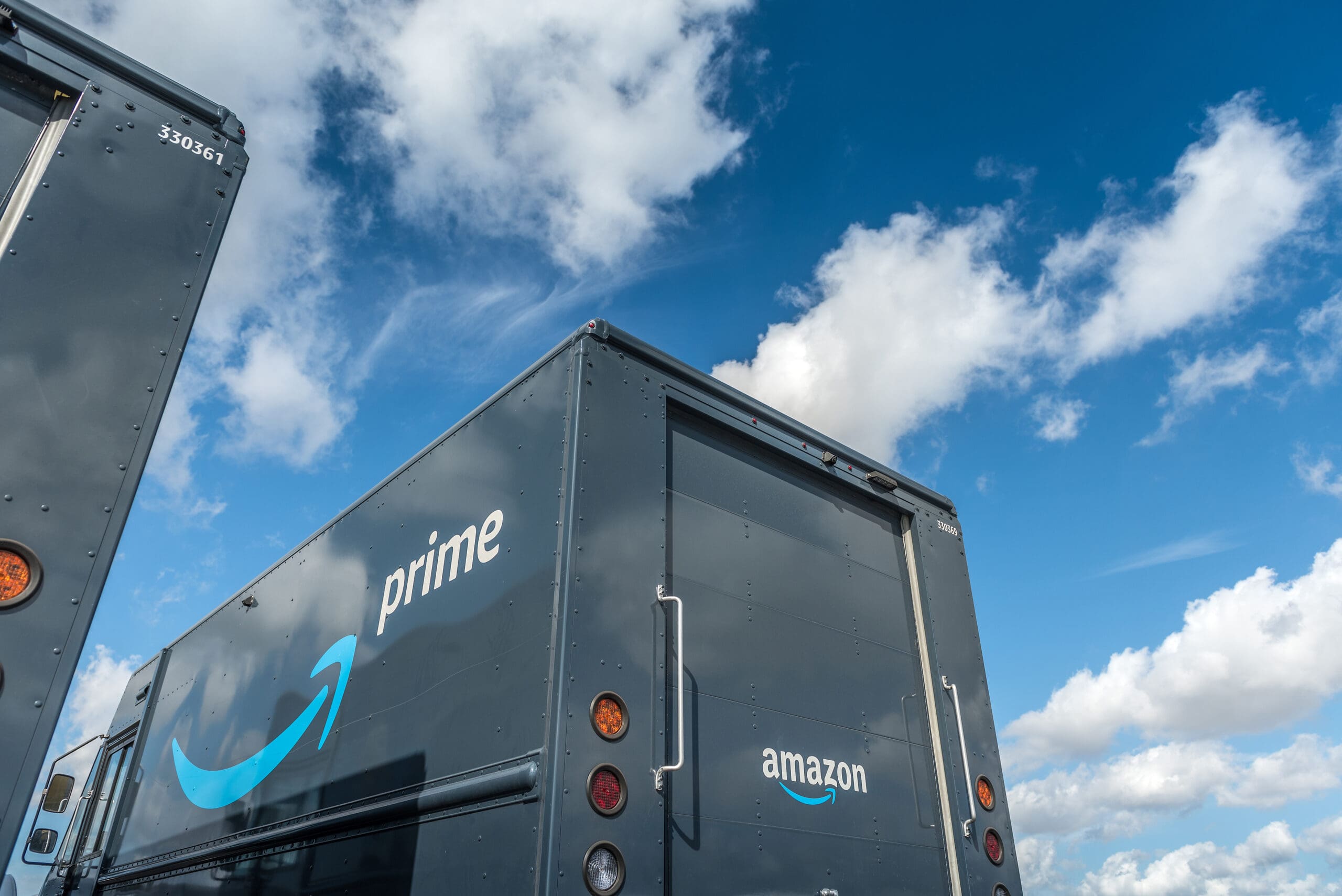
Learn more about retail inventory financing options from Kickfurther.

Protect yourself – and your investors – from Amazon account suspension

An Amazon account suspension can crater a brand’s cash flow. Even worse, suspension can make it impossible for the brand to make payments, whether to credit card companies, investors, or the bank. Late-pays and no-pays have long-lasting negative impacts on growth.

After design, sourcing and manufacturing, transportation, and all the other challenges of product development, the last thing a brand can afford is to have Amazon cut off its revenue. But that’s exactly what happens if: 

  • Amazon receives too many product quality complaints that go unaddressed
  • Amazon Seller Performance detects policy violations by the seller

When an Amazon seller account is suspended:

  • The seller’s products are no longer available for sale on Amazon.com
  • The seller’s funds are held by Amazon – sometimes permanently
  • The seller’s inventory goes into limbo in the Amazon Fulfillment Centers

A successful appeal, known as a Plan of Action, can get the seller back up and running on Amazon. But the process can take days, weeks, or even months depending on the circumstances of the suspension.

This makes prevention key. By taking a few concrete steps now, a brand can avoid future suspensions that tie up cash and stymie revenue on the world’s largest e-commerce platform.

Step 1: Be vigilant about product quality to stave off Amazon account suspension

The fastest way to failure on Amazon is poor product quality. Shortcomings in product quality can work against a brand in many ways:

  • Generate a large number of returns, which are expensive for the seller and result in unfulfillable inventory and low – or even negative – profits
  • Prompt negative product reviews, which suppresses future sales
  • Create negative store feedback

Fortunately, Amazon provides many data sources where sellers can carefully monitor buyers’ reactions to products. This enables sellers to uncover the root cause of complaints quickly and easily. Sellers should monitor:

  • FBA and/or FBM returns reports, where buyers often provide the reason for the return
  • Product reviews
  • Store feedback
  • Voice of the Customer
  • Buyer-seller messaging

Sellers must believe the data. The biggest mistake many brand owners make is to assume that the customer was wrong. Yes, sometimes buyers make false or inaccurate complaints. But if a product has a high return rate or similar complaints from multiple buyers, the data must be taken seriously.

Step 2: Always be improving the account’s worst ASIN

Once a seller has a clear vision of product quality across their catalog, it’s time to choose the worst-performing ASIN. This ASIN doesn’t have to be a failure to justify improving it for the future. By taking an attitude and creating processes for continual improvement, the brand can ensure it will gradually improve its reviews, profitability, and success over time.

Most sellers target the product with the highest return rate for improvement. They can then read the specific comments in the data sets from Step 1 to determine why returns are higher than they should be. Improvements can then come in the form of:

  • Updating the product detail page to clarify information that is confusing to buyers
  • Requiring stepped-up inspections at the manufacturing facility
  • Improving product packaging so the item arrives at the buyer in perfect condition
  • Redesigning the product for its next manufacturing run
  • In the worst cases, choosing to discontinue the product

Is this hard work? Yes. But these incremental, continual improvements are what separates high-margin, successful brands from the flashes-in-the-pan. And while driving more revenue and profitability, these improvements also will keep sellers out of the Amazon suspension doghouse.

Step 3: Know Amazon’s rules to avoid account suspension

Amazon has a broad range of rules and regulations that sellers must follow. Some of these rules are common sense. Others require some Amazon experience, know-how, or research to even know they exist much less to understand them.

Too many brands assume that selling on Amazon is exactly the same as selling on another platform such as eBay, Etsy, or their own Shopify store. It’s simply not.

For example, Amazon has very detailed requirements around:

  • Ownership of multiple seller accounts
  • Prep of Amazon FBA inventory
  • Restricted products and hazardous materials
  • Advertising and promotions
  • Buyer-seller messaging
  • Requests for seller feedback and product reviews

Each of these categories – and many more – provide multiple opportunities for sellers to fall afoul of the rules and put themselves at risk of account suspension.

Amazon offers an extensive Help section on Seller Central, as well as video content it dubs Amazon University. Sellers should spend time ensuring they understand the rules for all Amazon accounts, as well as their specific categories. When in doubt, there are many Amazon agencies and consultants that can provide expert advice. It’s better to be safe than sorry and suspended.

About the Author
Lesley Hensell is co-founder and co-owner of Riverbend Consulting, which solves Amazon problems for third-party sellers and vendors. Lesley has personally helped hundreds of third-party sellers get their accounts and ASINs back up and running. She has been an Amazon seller for more than a decade, thanks to her boys (20 and 14) who do most of the heavy lifting.

5 reasons why giving equity away to fund your inventory creates inefficiencies

When you are starting and growing a business, it is important to make sure that you are as efficient as possible.

If you’ve ever given equity of your business away to fund goods or services, you’re not alone. A lot of companies do this in order to fund their inventory. However, there are some big drawbacks to this strategy that you should be aware of. 

In this post, we’ll discuss why equity-based funding can lead to inefficiencies and how you can avoid them. We’ll also tell you what you can do instead to help your business remain profitable.

Keep reading to learn more!

Top Reasons Why Giving Equity Away to Fund Inventory and Marketing is Inefficient

As a startup, it can be tempting to give away equity in order to raise money for inventory and marketing expenses. However, there are several reasons why this is not always the most efficient use of resources.

Leads to Conflict and Future Problems

First of all, giving away equity dilutes the ownership of the company among the founders and early investors. This can make it difficult to make decisions about the direction of the company and can lead to conflict down the road. Additionally, if the company is successful, the founders and early investors will have less of a return on their investment than if they had simply funded these expenses themselves.

Giving away equity also means that the company will have less control over its own destiny. The investors who hold equity in the company will have a say in how it is run, which can be counterproductive if their goals do not align with those of the founders. Giving away equity often means that the company will be valued at a lower price when it comes time to sell or go public, as investors will factor in the amount of equity that has been given away.

Equity Should Be Reserved for Key Moments in a Company’s Life

Equity should be reserved for key moments in a company’s life, such as attracting top talent or raising capital. Giving away equity to fund inventory or marketing expenses can dilute the ownership of the company and reduce the potential return on investment for early shareholders. 

A company’s equity is like its lifeblood – it’s what allows the company to grow and thrive. As such, there are a few key moments in a company’s life when you should reserve equity. The first is when you’re founded. This is the time when you have the most potential and the most to gain from investors. 

The second is when you’re growing rapidly. This is when your equity will be most valuable to investors, as they’ll be able to share in your success. 

Finally, when you’re profitable and stable, you should continue to reserve equity to attract and retain top talent. By reserving equity at these key moments, you’ll ensure that your company has the resources it needs to succeed.

While there are definitely times when giving away equity makes sense, companies should be mindful of when equity is truly needed and not use it as a Band-Aid solution to temporary cash flow problems.

It Can Devalue the Company and Make it More Difficult to Raise Money Later

Giving away equity in your company can have a number of other downsides. For one, it can devalue the company and make it more difficult to raise money later on. This is because investors will see that the company is not worth as much as it once was, and they will be less likely to invest. 

Additionally, giving away equity can make it more difficult to keep control of the company. If too much equity is given away, the founders may no longer have a majority stake in the business. This can lead to conflict and potentially even legal problems down the road. Therefore, it is important to think carefully before giving away any equity in your company. 

If you do decide to go ahead with it, make sure that you are doing so for the right reasons and that you are not putting the future of the business at risk.

It’s Tough to Track How much Has Been Given Away and to Whom

Giving away equity to fund marketing and inventory can be a tough decision for any startup. On one hand, it can be a great way to raise capital and get your business off the ground. On the other hand, it can be difficult to track how much equity has been given away and to whom. This can make it difficult to assess the true value of your company and make informed decisions about its future. If you’re considering giving away equity, be sure to weigh all the pros and cons carefully before making a decision.

It Can Be Seen as a Sign of Desperation or Weakness

Giving away equity in your company can be seen as a sign of desperation or weakness, so it’s important to think carefully before taking this step. One common reason for giving away equity is to raise money to fund inventory or marketing. However, this can be a risky move, as it dilutes the ownership of your company and reduces the amount of control you have over its future. 

If you do decide to give away equity, make sure you are doing so in exchange for something of real value that will help your business grow. Otherwise, you may find yourself regretting the decision down the road.

How Kickfurther can help grow your business

If you’re a business owner, you know that one of the most important things is keeping your inventory stocked. After all, you can’t sell what you don’t have! But sometimes it’s difficult to come up with the funds to purchase new inventory, especially if you’re a small business or just starting out. 

That’s where Kickfurther comes in. Kickfurther is a company that provides inventory funding for businesses of all sizes. They’ve funded millions of dollars in inventory for businesses all over the world, and they can provide funding quickly and easily.

Best of all, there’s no need to give up equity in your company. It’s a simple and convenient way to get the funding you need to keep your business growing. So if you’re looking for a way to grow your business without giving up equity, be sure to check out Kickfurther.

Wrapping up  

By giving away equity, you are also diluting your ownership and control. You’re essentially making it harder for yourself to succeed in the long run. So before you go out and give away equity to fund your inventory, take a step back and consider if there might be a better way. Let us help you find that better way—contact Kickfurther today to see what this company can do for you instead.